The Essential Guide to Roofing: What Every Homeowner Should Know
Homeowners often overlook the value of a well-maintained roof. Understanding when to repair or replace it can result in substantial savings. Various roofing materials offer different benefits, and scheduled inspections are essential in prolonging the life of a roof. As weather conditions exert constant pressure on roofing systems, selecting a trustworthy contractor becomes increasingly important. What are the key signs of a failing roof, and how can property owners ensure they make well-informed choices?
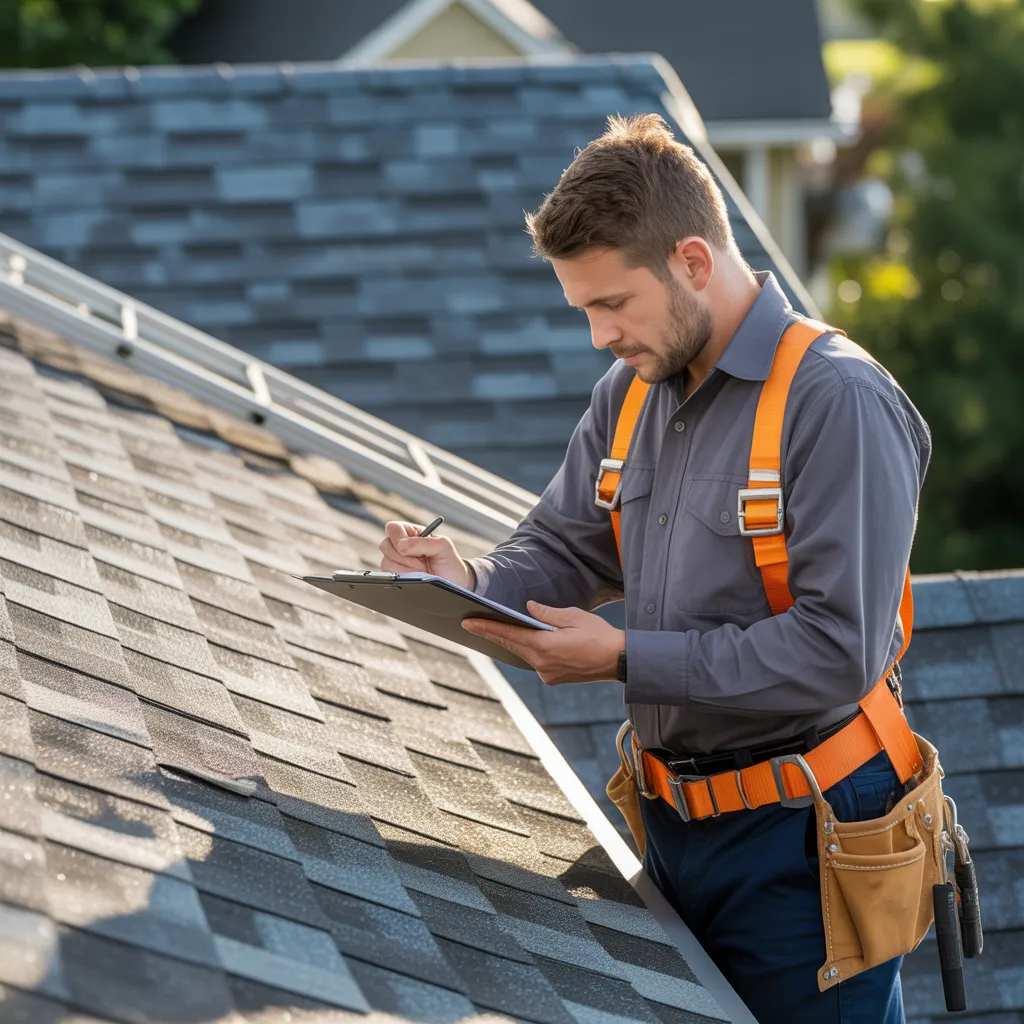
Indicators That Your Roof Requires Repair or Replacement?
How do homeowners know when their roof is in need of repair or replacement? Indications of damage can appear in a number of ways. Residents should be on the lookout for missing, cracked, or curling shingles, as they signal areas of potential concern. Additionally, stains or discoloration on ceilings or walls may suggest leaks, highlighting a need for immediate attention.
An additional key warning sign is granule shedding, often visible in gutters; this can weaken the roof's protective layer. Property owners should look out for areas that appear to sag, which may signal structural issues. Regularly checking the attic for light coming through the roof boards can expose potential gaps.
Ultimately, the age of the roof carries considerable weight; roofs typically last 20 to 30 years. If a roof nears this age threshold and displays visible deterioration, replacement may be necessary. By being observant and acting in advance, homeowners can guarantee their roofs stay structurally sound and safeguard their properties.
Understanding Different Roofing Materials
Understanding different roofing materials is essential for homeowners looking to make informed choices. Asphalt shingles offer a popular and cost-effective option, while metal roofing delivers strengths in resilience and energy performance. Furthermore, tile roofing is well known for its visual charm and lasting durability, making it a worthwhile option for numerous homeowners.
Asphalt Shingles Summary
Asphalt shingles are a popular choice among homeowners because of their cost-effectiveness and adaptability. Offered in a wide range of colors and styles, they are well-suited to numerous architectural designs. Commonly constructed from a fiberglass mat covered with asphalt and mineral granules, these shingles deliver reliable strength and weather resistance. They are relatively easy to install, making them a preferred choice for both professional contractors and DIY enthusiasts. Asphalt shingles are available in two primary types: organic and fiberglass, each with distinct benefits and lifespans. Although they typically have a lifespan of 15 to 30 years, correct installation and regular maintenance can significantly extend their lifespan. Therefore, asphalt shingles stand as a trusted and economical roofing choice for a wide range of households.
Benefits of Metal Roofing
Metal roofs have gained popularity amongst property owners looking for a reliable and long-lasting substitute for traditional materials like asphalt shingles. Its light weight decreases the burden on the building's structure, making it ideal for many different types of buildings. Additionally, metal roofs are celebrated for their exceptional resistance to harsh weather conditions, including strong winds, heavy snowfall, and torrential rain. They also provide outstanding energy-saving benefits, deflecting solar radiation and decreasing air conditioning expenses. A notable advantage is their longevity, typically surviving four decades or longer with little upkeep. Additionally, metal roofing is an eco-conscious choice; a wide variety of products are crafted from recycled materials and are able to be recycled at the end of their service life. All of these qualities make metal roofing an attractive option for modern homeowners focused on long-term value and sustainability.
Tile Roofing Advantages
Tile roofing stands out as an excellent selection for homeowners who desire a blend of aesthetic appeal and durability. Its distinctive appearance , available in various styles and colors, elevates a home's appeal while offering impressive durability. Tile roofs hold up against harsh weather elements, including powerful gusts and heavy downpours, rendering them appropriate for numerous weather environments. Furthermore, they provide outstanding thermal insulation, contributing to energy efficiency and reducing heating and cooling costs. Upkeep is relatively simple, necessitating routine inspections and cleaning to prevent debris buildup. Furthermore, tile roofing is fire-resistant and may endure for many decades, often outliving other roofing materials. Overall, the combination of these advantages makes tile roofing a compelling option for discerning homeowners.
Essential Roof Maintenance Tips for Longevity
While many homeowners may overlook roof maintenance, consistent maintenance plays a vital role in maximizing a roof's longevity. Routine inspections play an essential role in identifying potential issues before they escalate. It is important for homeowners to look for loose or deteriorating shingles, paying close attention to areas around chimneys and vents. Keeping gutters clear is an equally important aspect of roof care; obstructed gutters have the potential to cause water infiltration and mold accumulation.
Additionally, clearing away debris, including leaves and branches, from the roof helps prevent moisture retention. Homeowners must also confirm that their attic is well-ventilated, as sufficient airflow decreases the likelihood of heat and moisture retention. Trimming overhanging branches can reduce the chance of storm-related damage and stop leaves from building up. Lastly, arranging professional inspections every few years can supply expert analysis and guarantee that minor issues are corrected in a timely manner. Applying these maintenance strategies will substantially contribute to the longevity and overall performance of a roof.
How Weather Conditions Impact Your Roof's Integrity
Meteorological conditions markedly affects a roofing system's durability, affecting roofing materials and their performance over time. Severe temperature fluctuations can cause roofing materials to shift and warp, leading to deterioration and other forms full details of damage. Heavy rainfall can worsen these problems, as pooling water may infiltrate seams and joints, resulting in leaks and water damage. Furthermore, strong winds can displace tiles or shingles, revealing underlying layers to additional weather-related damage.
Snow and ice present another challenge; as they build up, they add weight and can create structural stress. Melting snow can lead to ice dam formation, which impedes proper drainage and elevates the risk of leaks. Moreover, ultraviolet (UV) radiation from the sun can break down roofing materials, most notably asphalt shingles. Recognizing these weather-related impacts allows homeowners to proactively maintain their roofs, ensuring longevity and resilience against the elements. Routine inspections and prompt repairs can reduce damage and preserve overall roof integrity.
How to Find the Ideal Roofing Contractor
Selecting the ideal roofing contractor is important for securing a positive project. Home owners should begin by verifying the contractor's certifications and qualifications, as well as evaluating their experience and expertise in the industry. This thorough assessment assists in making an well-considered decision that can impact the durability and standard of the roofing structure.
Validate Credentials And Licenses
Validating the licenses and credentials of a roofing professional is essential for homeowners who want quality work and reassurance. A certified contractor demonstrates compliance with industry standards and local regulations, showing they have the required expertise and understanding. Homeowners are advised to obtain verification of licensure, ensuring it is current and valid in their state or region. Moreover, checking for insurance coverage protects homeowners from liability in case of accidents or damage during the roofing project. Endorsements from established industry bodies additionally confirm a contractor's proficiency and dedication to industry standards. Performing comprehensive research, such as reviewing feedback and requesting references, enables property owners to make well-informed choices when choosing a roofing expert.
Assess Experience And Expertise
How do homeowners make certain they hire a roofing contractor with the necessary experience and knowledge? First, they should look for contractors with a strong portfolio showcasing diverse projects. A reputable contractor usually possesses a proven history of successful installations and repairs, demonstrating their trustworthiness. Moreover, reviewing industry credentials and associations with well-regarded organizations can suggest a strong commitment to professional quality standards. Homeowners should additionally obtain references from former clients, giving them insight into the contractor's satisfaction rates and performance levels. Conducting interviews can further reveal the contractor's approach, communication style, and problem-solving abilities. Ultimately, selecting a contractor with significant experience and specialized knowledge guarantees a roofing project is executed efficiently and effectively, safeguarding the homeowner's investment.
The Importance of Roofing Inspections?
Roof inspections are critical for preserving the condition of a home, as they can identify potential issues before they escalate into costly repairs. Regular inspections help homeowners detect problems such as leaks, damaged shingles, and structural weaknesses. These assessments not only extend the lifespan of the roof but also enhance overall home safety and comfort.
Certified inspectors are equipped to identify issues that untrained individuals may overlook, such as excess moisture accumulation or inadequate ventilation. Addressing these issues early can prevent more severe damage and guarantee compliance with local building codes. Additionally, routine inspections can help homeowners prepare for extreme weather events, reducing the risk of significant damage during storms.
Roofing and Energy Efficiency: Key Considerations
While many homeowners might overlook the effect that roofing has on energy efficiency, selecting the right materials and design is crucial for controlling temperature and cutting down on energy costs. Materials like metal, tile, and reflective shingles can significantly improve insulation, maintaining cooler homes during summer and warmer homes during winter. Furthermore, the roofing color plays a significant role in heat absorption; lighter colors reflect sunlight, while darker shades absorb it, possibly causing a rise in energy costs.
Proper ventilation is another important aspect, allowing heat to escape in warmer months and preventing moisture buildup. Homeowners should also consider the roof's slope and design, which can impact ventilation and insulation performance. At the end of the day, opting for energy-efficient roofing solutions not only contributes to a more comfortable living environment but can also generate substantial long-term energy cost savings, making it a smart choice for any property owner undertaking a roofing endeavor.
Frequent Roofing Myths Dispelled
What myths do many homeowners believe about roofing? One prevalent myth is that a new roof is unnecessary if there are no visible leaks. The truth is that concealed damage can result in serious problems over time. Another common belief is that all roofing materials are equally durable. In fact, different materials have varying lifespans and maintenance needs that should be considered. Some homeowners also think that a roof can be installed over an existing one to save costs; unfortunately, doing so can seal in moisture and result in more serious damage over time. Additionally, many believe that a dark roof will always absorb more heat, but reflective roofing options can mitigate this. To conclude, there are those who believe roofing installations can be carried out in any type of weather, a notion that can jeopardize both workmanship and worker safety. Debunking these myths is essential for homeowners to make informed decisions regarding their roofing needs.
Questions Our Customers Often Ask
How Long Does a Typical Roof Last?
A conventional roof lasts between 20 to 50 years, depending on the materials used, quality of installation, and ongoing maintenance. Elements such as weather patterns and environmental exposure further influence lifespan, making periodic inspections necessary for optimal efficiency and service life.
What Should Be Done After a Storm?
Following a storm, homeowners should inspect their roofs for obvious damage, search for leaks inside, document any issues with pictures, and contact a licensed roofing specialist for a comprehensive evaluation and essential repairs.
Is It Possible to Install a New Roof Over an Existing One?
Indeed, a new roof can be installed over an old one, as long as the existing structure is in good condition. That said, local building codes might enforce limitations, and proper ventilation must be guaranteed to avoid future problems.
How Do I Know if My Roof Is Under Warranty?
To establish whether a roof has warranty coverage, one should check the original purchase documents, contact the manufacturer, or seek guidance from the contractor responsible for the installation. Warranty terms generally differ depending on materials and installation details.
What Are the Signs of Poor Installation?
Indicators of faulty roofing work consist of uneven shingles, visible gaps, water leaks, excessive granule loss, and improper flashing. Moreover, shingles and roofing components may buckle or curl, signaling inadequate ventilation or insufficient fastening, undermining the overall integrity of the roof.